

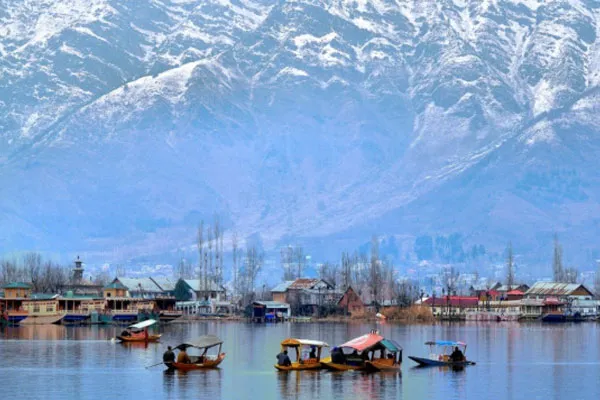
The Dal Lake
An intricate maze of waterways best explored by shikara, with two picnic islands – Sona Lank and Rupa Lank – together known as Char Chinar for their trees, planted by Mughal emperor Akbar.
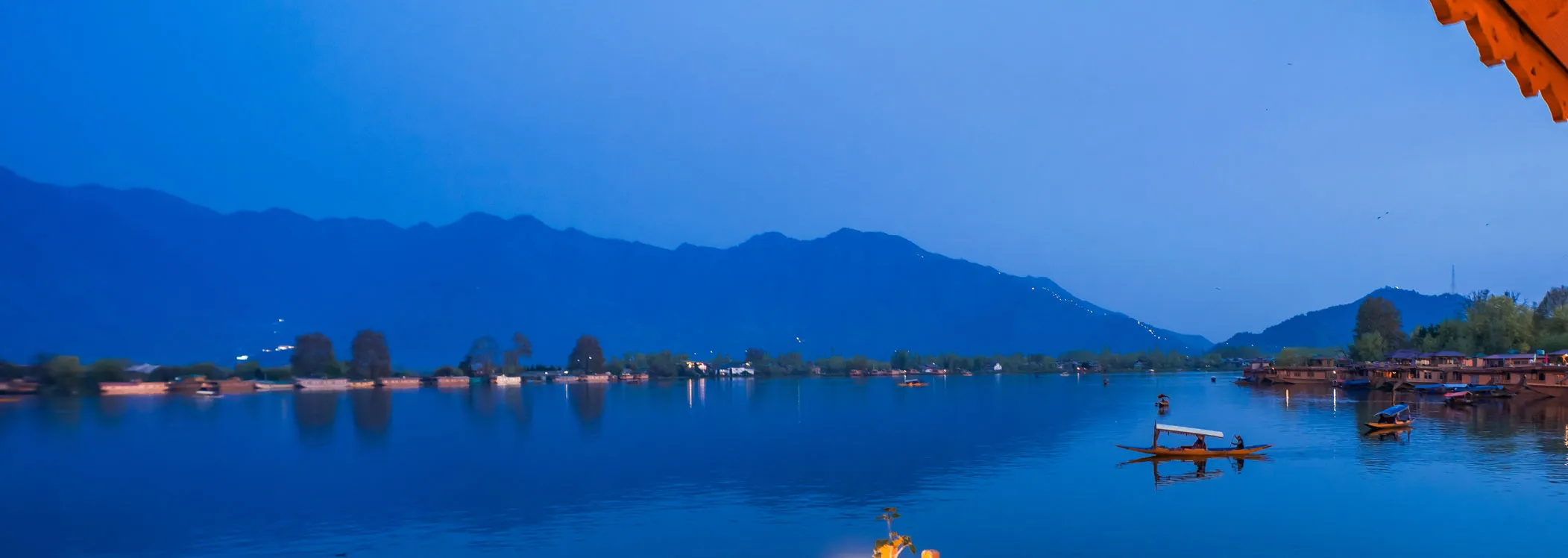
Kashmir, the paradise
The northernmost state of the Indian mainland is rightly called “Paradise on Earth” – home to sparkling rivers, placid lakes and the unparalleled landscapes of Kashmir, Leh and Ladakh.
The City of Lakes, Srinagar, spreads along the river Jhelum in the heart of the Kashmir Valley. Its Mughal-era gardens and lakeside houseboats – once a workaround for a law barring the British from owning property – still draw visitors today, and the city remains a gateway to Kashmir's hill stations, trekking, mountaineering, fishing, golf and skiing.
Founded, by tradition, under Emperor Ashoka in the 3rd century BC, Srinagar has stood on this site since at least AD 631. Its Hindu period peaked under Lalitaditya (AD 649–736), and King Zain-ul-Abidin (1421–72) brought Persian artisans to establish the carpet-weaving and shawl-making traditions Kashmir remains known for. The Mughals under Akbar added the city's mosques and gardens; the Sikhs took power in 1819, the Dogras in 1846 under the Treaty of Amritsar, and in 1947 Jammu and Kashmir joined the Indian Union.
More on our story arrow_forwardPlaces to see
From the Dal and Nigeen lakes to the Mughal gardens and centuries-old shrines, these are the places most worth your time in and around Srinagar.
An intricate maze of waterways best explored by shikara, with two picnic islands – Sona Lank and Rupa Lank – together known as Char Chinar for their trees, planted by Mughal emperor Akbar.
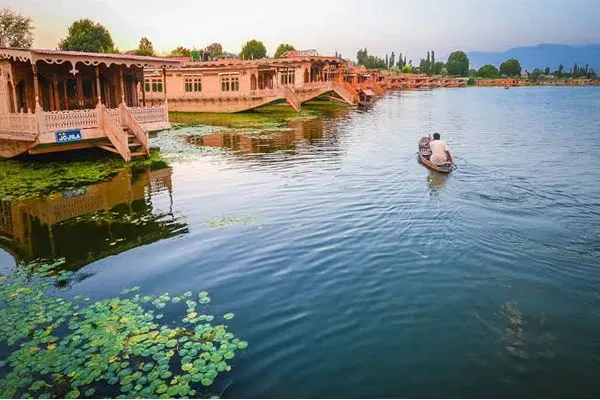
Quieter than the Dal, the Nigeen Lake is best known for its peaceful shikara rides – and for being home to 7 Heaven Heritage.
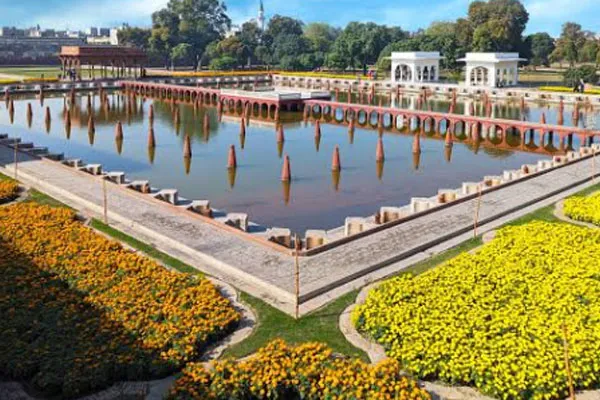
Visit the world-famous Mughal Gardens, including Shalimar Bagh, Nishat Bagh and Chashme Shahi. Laid out by the Mughal emperors on the shores of Dal Lake, these terraced gardens showcase Kashmir's rich heritage with cascading fountains, vibrant flowerbeds and sweeping mountain views.
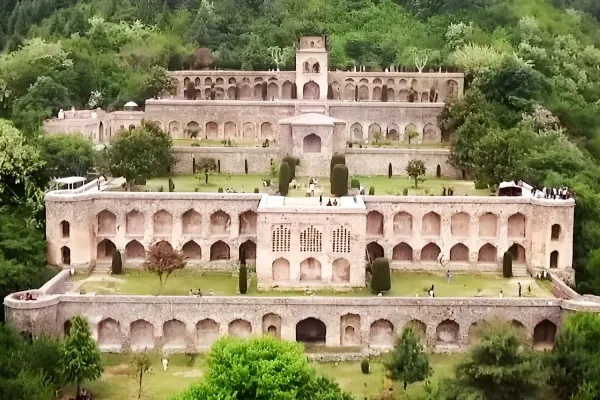
Perched on a hilltop above the Dal, this terraced Mughal monument once served as an observatory and Sufi seminary. Its stone archways and quiet gardens make it one of the best spots in Srinagar to watch the sun set over the lake.
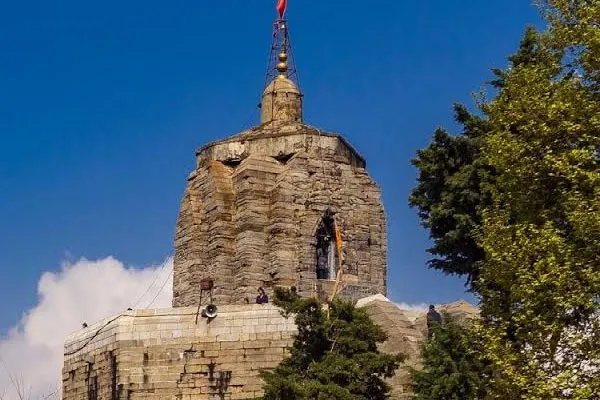
Kashmir's oldest shrine, this Shiva temple sits 1,100 feet above the city on Shankaracharya Hill, its stone stairway later added by Maharaja Gulab Singh.
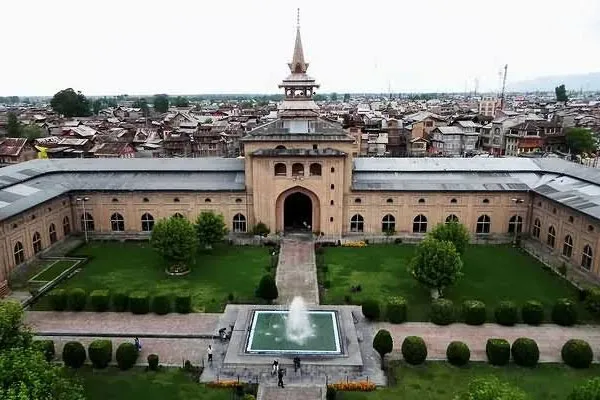
One of Kashmir's oldest mosques, its wooden roof rests on 300-plus deodar pillars; the present form, with its peaceful courtyard, dates to a rebuild after an 1674 fire.
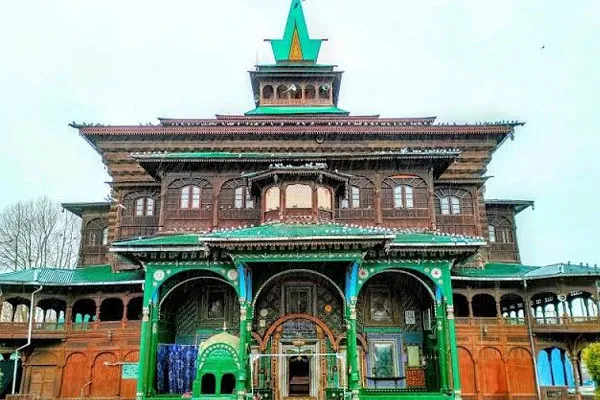
One of Kashmir's oldest shrines, this all-wooden mosque on the Jhelum was rebuilt twice after fire, and is known for its fine papier-mâché work.
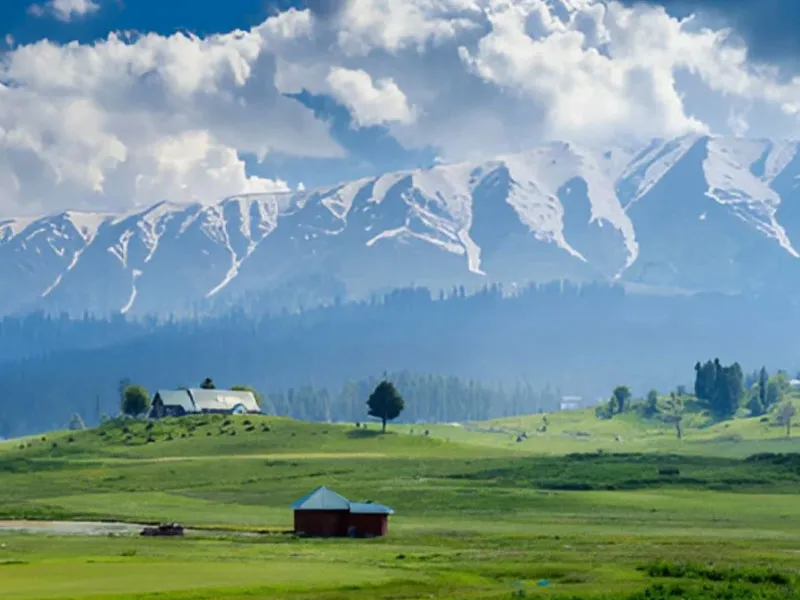
Home to one of the highest golf courses and ski resorts in the world, with the Gondola lift rising toward Khilanmarg's alpine meadows.
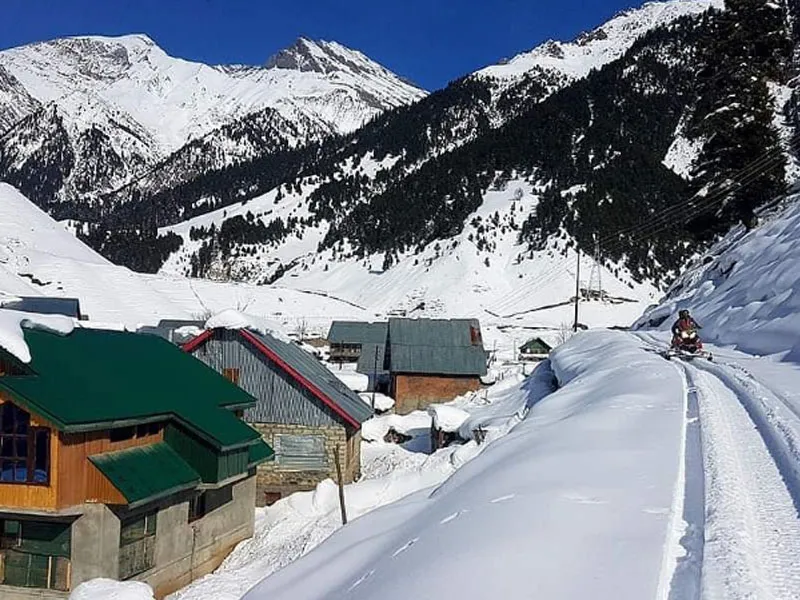
Ringed by mountains up to 5,300m high, this glacial valley is the gateway to Thajiwas Glacier and some of Kashmir's most dramatic high-altitude scenery.
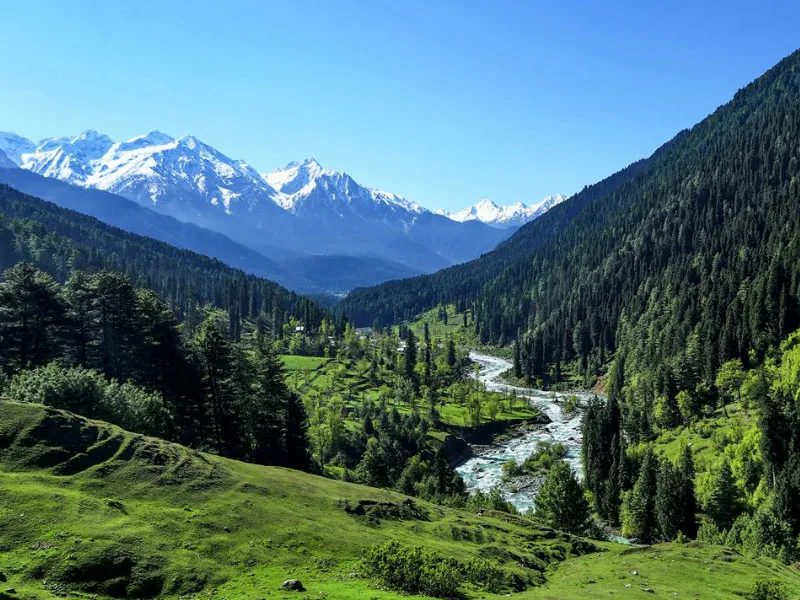
Set on the river Lidder, this is the starting point for Kashmir's classic treks to Chandanwari and Aru, framed by pine forests and mountain air.
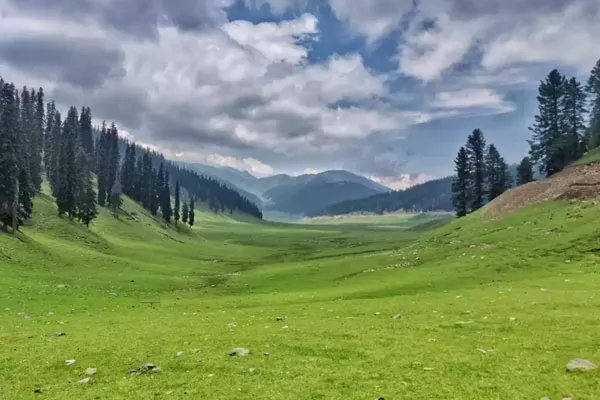
Bungus, a lush green meadow, is situated in the lap of the Himalayas at an altitude of around 10,000 ft above sea level. It is around 160 km from Srinagar and just 48 km from the district headquarter Kupwara. The valley is about 20 km long and 15 km wide, situated on the other side of the Lolab valley.
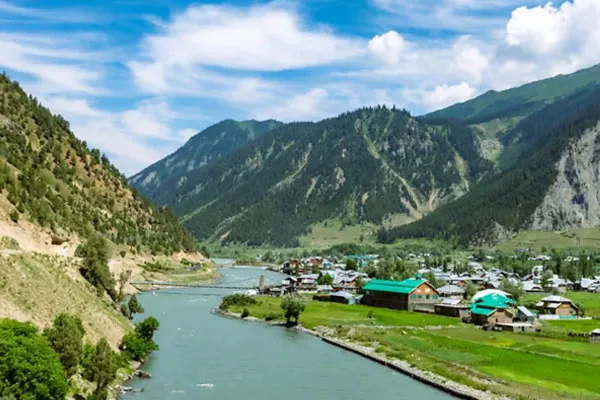
Gurez is a valley located in the high Himalayas, about 86 km from Bandipore and 123 km from Srinagar in northern Kashmir and southern Gilgit-Baltistan. At about 2,400 metres (8,000 ft) above sea level, the valley is surrounded by snow-capped mountains and is home to diverse wildlife including the Himalayan brown bear and the snow leopard.
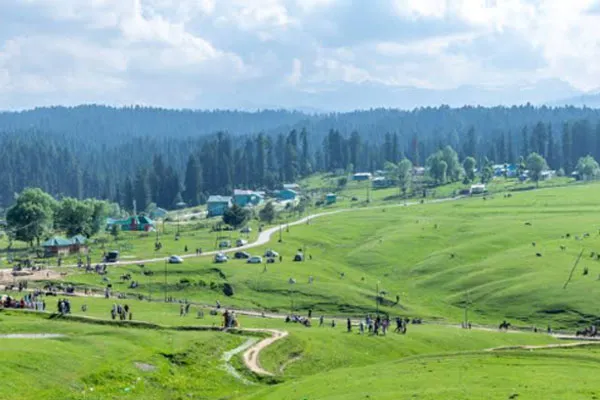
A hill station in the western part of the Kashmir Valley, Yousmarg provides space for beautiful landscapes, young pine nurseries, green pastures and heart-touching lotic and lentic water bodies.
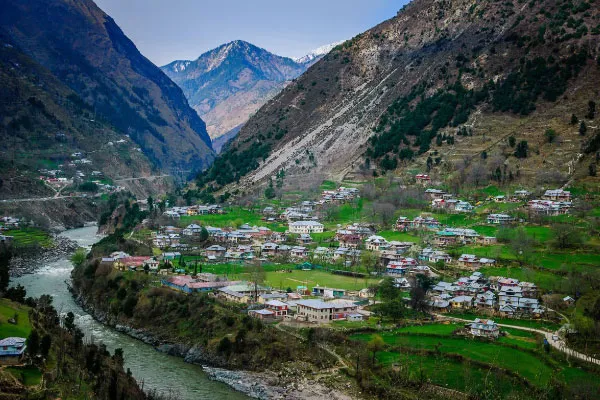
A blend of all the delicate components of natural beauty, Kokernag is home to a spring with magical, curative powers, and one of the most popular weekend getaways from Srinagar. Set at an altitude of around 2,012 metres above sea level, it reveals some of the other treasures of this important tourist destination.
Adventure tourism
Adventure tourism is one of the biggest draws for visitors to Kashmir, and the valley offers no shortage of it. Gulmarg, Sonamarg, Pahalgam and Drass are among the places best set up for it, with mountain ranges and gushing rivers providing endless opportunity – from fishing, golf and mountaineering to skiing, trekking, river rafting, paragliding, backpacking, canoeing, camping and kayaking.
A major draw once winter ends, though a permit is required to fish in the valley.
Kashmir's rivers and lakes are a hub of leisure activity, from quiet shikara rides to whitewater further upstream.
Peak season runs April to November; cool weather and shaded chinar-and-pine courses let play continue longer.
The most popular aero sport in the valley, and one of its fastest-growing adventures.
Requires permission from the Indian Mountaineering Foundation; the state's terrain offers exciting opportunities for the sport.
The snow-capped mountains offer excellent skiing and snowboarding, with Gulmarg among the best resorts in the Himalayas.
Popular routes include the Amarnath Yatra, Gulmarg and Sonamarg.
Once a Maharaja's hunting preserve, now a 141 sq. km sanctuary home to the Kashmir hangul, snow leopard and black bear, roughly 18 km from Srinagar.
Glide across the water's floating gardens and lily pads in a hand-carved shikara, the classic way to see Dal Lake at sunrise or sunset.
One of the highest cable car rides in the world, the Gulmarg Gondola climbs in two stages to Kongdoori and Apharwat Peak for sweeping Himalayan views.
From mist over Nigeen Lake to saffron fields in bloom, guided photography routes make the most of Kashmir's changing light and seasons.
Ponies carry riders up to the high meadows of Gulmarg, Sonamarg and Pahalgam, reaching viewpoints the roads don't.
Srinagar's markets and houseboat-side stalls sell Kashmir's celebrated pashmina shawls, walnut wood carving, papier-mâché and hand-knotted carpets.
Share a Wazwan feast of slow-cooked meats and spiced rice, or simply enjoy kahwa tea and fresh bread aboard your houseboat.
Plan around the seasons
Kashmir is famous for its lakes, snow-clad mountains, gardens and springs. Every season here is beautiful in its own way – it's simply a matter of which one suits you.
March – May
2.5°C – 25°C
June – August
15°C – 34°C
September – November
1°C – 27°C
December – February
−7°C – 12°C
Ready when you are
Let us build a stay around the lakes, gardens and shrines that matter most to you.
Explore our packages arrow_forward